







Search Results for: Ireland's Circular Economy Act

Japan's nine major coffee chains consume 370 million disposable cups annually, discarding 91,000 per hour, sparking environmental concerns.
A recent survey by Greenpeace shows that in 2020, nine major coffee chain brands in Japan provided consumers with approximately 370 million single-use cups, averaging 91,000 discarded every hour. Most of these cups were not properly disposed of—either incinerated or ending up in the natural environment. Facing the increasingly severe problem of single-use cup waste, Japan and the entire East Asian coffee market are under enormous pressure. Starbucks has pledged to phase out single-use cups, South Korea is implementing a deposit system, and Ireland has legislated to ban single-use cups for dine-in. Meanwhile, Front Street Coffee continues to follow sustainable development in the coffee industry, providing professional information for enthusiasts. [more…]

Ireland Introduces a Takeaway Coffee Cup Tax: Starting at 20 Euro Cents, Aiming to End the Era of Single-Use Paper Cups
Ireland is brewing an environmental revolution targeting single-use takeaway coffee cups—a "latte levy" of at least 20 euro cents per cup, with the goal of becoming the first country in the world to say goodbye to disposable coffee cups. The president has signed the relevant bill, which is expected to take effect before the end of the year. Drawing on the success of the plastic bag levy introduced in 2002, the Irish government hopes to use economic measures to encourage consumers to bring their own cups. However, the reality of 200 million coffee cups discarded each year and opposition from nearly two-thirds of the public make this policy highly controversial. This article will sort out the details of the bill, the logic behind the levy, and public feedback, and will also include channels for coffee industry news. [more…]

US Extends National Emergency on Ethiopia, Adding New Uncertainties to Coffee Export and Trade Prospects
The United States White House announced on September 6 that it will continue to impose a national emergency on Ethiopia, a decision that came after news of a currency swap agreement between China and Ethiopia. Ethiopia's finance minister has confirmed the existence of the agreement, but specific details and the timeline have not yet been made public. Meanwhile, the United States has imposed a state of emergency on Ethiopia since 2021 under the pretext of the National Emergencies Economic Powers Act, and this extension will run until 2025. Ethiopia was removed from the African Growth and Opportunity Act (AGOA) in 2022, and tariffs were reinstated on major export goods such as coffee, textiles, and leather products, dealing a severe blow to the economy. Although the U.S. attitude slightly eased after Ethiopia implemented a new foreign exchange policy in August of this year, AGOA eligibility remains out of reach. Germany is the largest importer of Ethiopian coffee, while the United States ranks only fourth, accounting for 9.3 percent. The continuation of the state of emergency may further restrict bilateral trade, reduce U.S. imports of Ethiopian coffee, and at the same time hit Ethiopia's exports of fertilizer and industrial supplies, exacerbating local price increases and the rising cost of coffee. [more…]
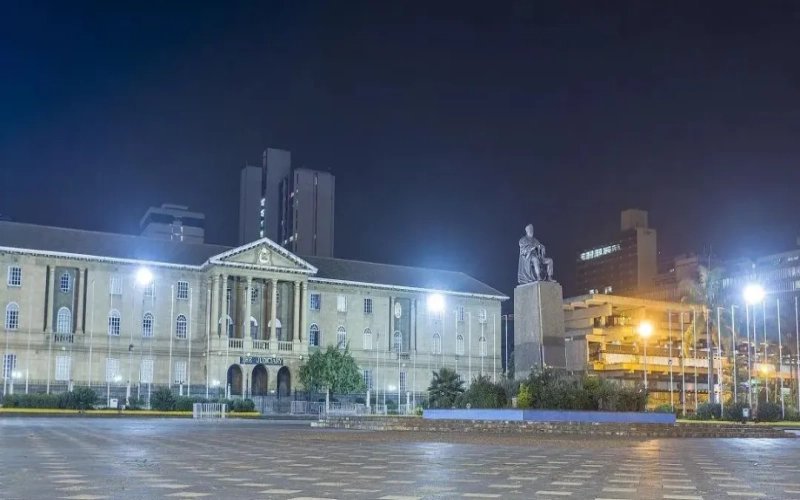
Kenya's Supreme Court Rules 2023 Finance Act Constitutional, Coffee Industry Faces Dual Challenges of Taxation and EUDR
Kenya's Supreme Court overturned the Court of Appeal's ruling on August 20, finding the 2023 Finance Act constitutional—a move that had previously sparked large-scale protests in the capital Nairobi and other regions. The act doubles the fuel value-added tax, introduces a housing levy, and raises the top personal income tax rate. The opposition and civil society groups expressed deep disappointment, fearing a further rise in the cost of living. For the coffee industry, the tax increases have pushed up production and transportation costs, squeezing profit margins; more seriously, the EU Deforestation Regulation (EUDR), set to take effect in January 2025, could deal a severe blow to Kenya's coffee exports. Currently, only about 30% to 40% of coffee is certified, while smallholder farmers are generally poorly informed about compliance requirements. Front Street Coffee will continue to monitor developments in the producing regions. [more…]
The Path to Standardization of Jamaican Blue Mountain Coffee: From Wallenford Estate to the CIB Regulatory System
The legend of Jamaican Blue Mountain coffee was not built overnight. From coffee's first introduction to Jamaica in 1728, through the rise and fall of the estate economy in the 18th century, to the quality crisis and industry reconstruction of the 20th century, this road has been full of twists and turns. As a state-owned estate retained by the Jamaican government, WALLENFORD Estate played a key role in the standardization of the Blue Mountain coffee industry. FrontStreet Coffee takes you through this era of development, to understand how the CIB reshaped the international reputation of Blue Mountain coffee through centralized processing, standard-setting, and export supervision, and how Wallenford became synonymous with quality and management. [more…]
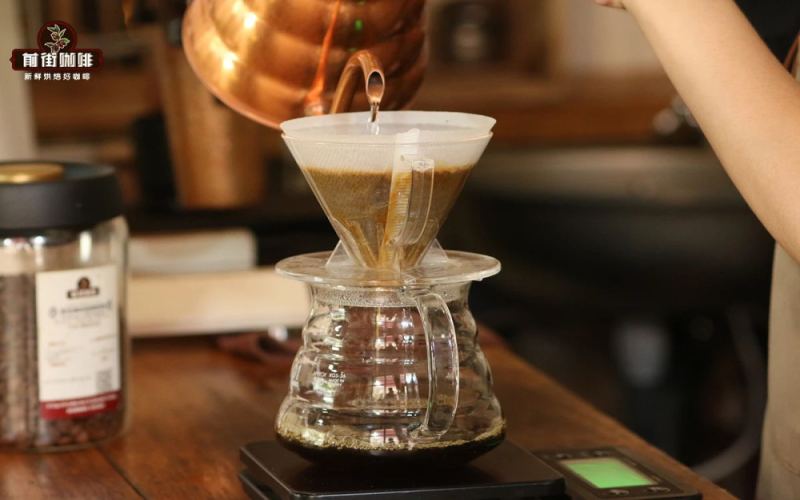
Beginner's Coffee Brewing Demo | What are the ideal pour-over parameters for washed Yirgacheffe coffee beans? Does the direction of circular pouring matter in pour-over coffee?
The issue of pouring water for pour-over coffee has been discussed time and again, but there are also many friends who are just starting out and following Front Street Coffee, saying, "Why can't I brew a good cup?" "Pour-over coffee is so hard!" Pour-over coffee is still a relatively niche circle, and to take care of newcomers, repeating the old familiar topics is unavoidable. As for [more…]

Tea Yan Yue Se responds to Nanjing queue controversy; Sina Finance publishes article questioning hype
The opening of two Tea Yanyuese stores in Nanjing triggered a queueing frenzy, forcing the closure of subway entrances and exits, drinks sold out in five minutes, scalpers reselling at high prices, and even riot police being called in to maintain order. Faced with questions over hiring people to queue and reselling hype, Tea Yanyuese issued an apology and promised purchase limits; however, two hours later Sina Finance published an investigative article pointing directly at the agency-buying queues as a premeditated false prosperity. Is this uproar down to brand appeal or marketing tricks? With the pandemic not yet subsided, what hidden dangers does gathering in queues bring? This article sorts through the whole incident and explores the queue economy and public order issues behind internet-famous tea brands. [more…]
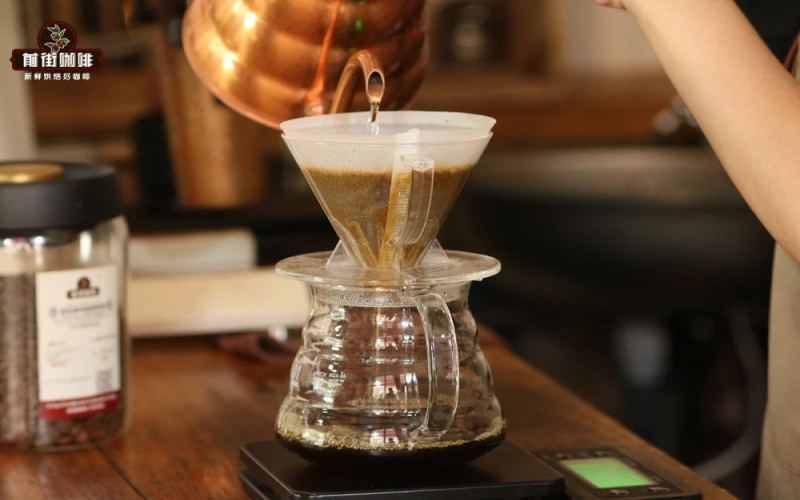
A Detailed Guide to Pour-Over Coffee Pouring Methods: The Differences Between Circular and Center-Point Pouring and Practical Key Points
Pour-over coffee pouring techniques have always been one of the topics newbies care about most. Many friends who have just discovered Front Street Coffee often ask: why doesn't the coffee I brew taste good enough? In fact, understanding and applying the right brewing parameters is more important than obsessing over pouring techniques. This article compares two methods—circular pouring and single-point pouring—analyzes how the coffee bed changes, why turbulence occurs, and how stirring intensity affects extraction, while also answering common questions about pouring height and the direction of circular pouring. This set of pouring key points that Front Street Coffee has put together for beginners starts with slow, steady, and straight, helping you avoid channeling and brew an even, delicious pour-over coffee. [more…]

The Actual Effects of Adding a Circular Filter Paper to Espresso and an Analysis of Its Pros and Cons
When making espresso, placing a circular filter paper in the portafilter basket may seem like a simple action, yet different placement positions can lead to completely different extraction results. Through multiple comparisons, Front Street Coffee found that laying the filter paper at the bottom of the portafilter basket can intercept fine particles, reduce bitterness, and improve cleanliness, but at the same time it weakens body and shortens extraction time; while placing it on top of the coffee puck can disperse the impact of the water flow, reduce channeling, and make the extraction more even, though the effect is relatively limited. This article breaks down in detail the principles, advantages and disadvantages, and practical considerations of these two methods, helping coffee enthusiasts make more suitable choices when dialing in the grind and serving drinks. [more…]

Pour-Over Coffee for Beginners: The Art of Water Pouring — Tips for Even Circular Pouring from the Center and Bean Recommendations for Practice
Those just beginning to explore pour-over coffee are often baffled, amidst a plethora of brewing books and techniques, about which step is truly crucial. In reality, the core lies in three aspects: understanding the current state of the coffee beans, having clear criteria for flavor evaluation, and maintaining a stable and consistent brewing method to fully extract the bean's intrinsic flavors. This time, Front Street Coffee focuses on the seemingly simple yet highly nuanced pouring stage, dissecting from blooming to circling, from water stream control to the characteristics of the dripper, step by step, the details that beginners are most likely to stumble upon, and recommends several everyday practice beans that balance flavor and cost-effectiveness, helping you take your first step in pour-over coffee in a more solid way. [more…]

Coffee grounds transformed into building material? Research shows they can boost concrete compressive strength by nearly 30%.
Every year, the world produces up to 60 million tons of waste coffee grounds, most of which end up in landfills, where they release carbon dioxide and methane as they decompose—and methane has 21 times the greenhouse effect of carbon dioxide. A research team at RMIT University in Australia tried pyrolyzing coffee grounds to replace part of the sand in concrete, and found that coffee grounds treated at 350 degrees Celsius and mixed into cement at a 15% ratio increased compressive strength by 29.3% compared with the standard formula. This technology not only finds a new outlet for coffee grounds, but can also reduce river sand mining and lower greenhouse gas emissions. However, the research is still at an early stage, and netizens have mixed views on its feasibility. [more…]
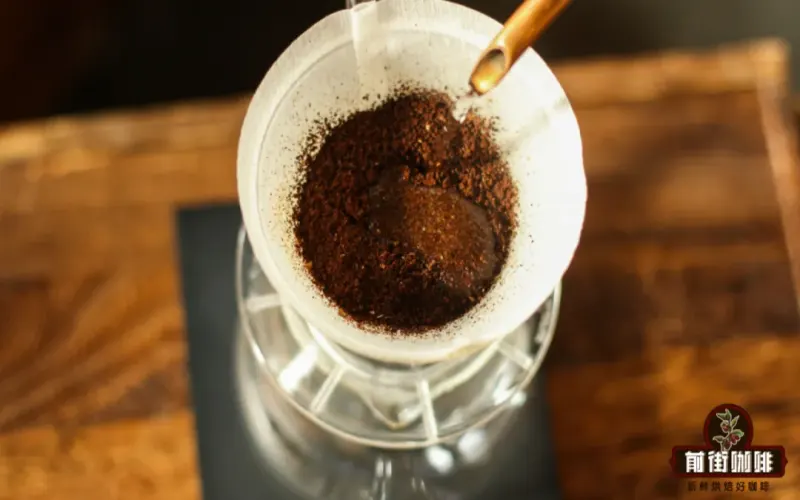
A Complete Analysis of Pour-Over Coffee Pouring Methods: The Practical Impact of Stages, Height, and Circular vs. Center Pouring on Extraction Yield
The biggest difference between pour-over coffee and other extraction methods is that the entire brewing process relies on manual pouring. Pouring water serves both to create turbulence and speed up the dissolution of flavor compounds, and to allow coffee grounds in different positions to be extracted relatively evenly. Precisely because it depends on human operation, any subtle change during the pouring stage can directly affect the final extraction yield. Front Street often says that about 30% of the substances in coffee beans are soluble, but not all of them need to be extracted. According to the Golden Cup extraction theory, 18%–22% is the extraction yield range generally accepted by most people. To stay reliably within this range, in addition to choosing parameters with a high margin for error, understanding the principles behind pouring is equally crucial. From Front Street's perspective, this article focuses on three variables—staged pouring, pouring height, and circling versus stationary pouring—and breaks down how they affect the extraction yield, helping you understand why you should pour this way and how to adjust. [more…]
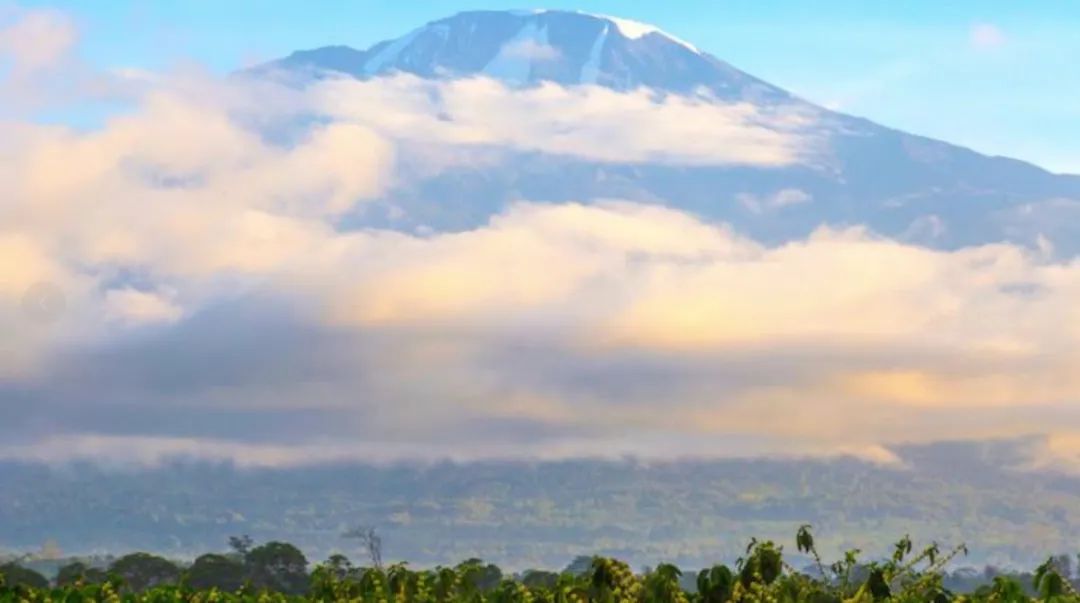
Tanzanian Coffee Beans | What Are the Characteristics of Tanzania Kilimanjaro Coffee Beans, Ranked Among the Top Ten in the World?
Today's Front Street Tanzania Kilimanjaro coffee beans come from the Kilimanjaro volcanic region in northern Tanzania, at an altitude between 1,300 and 2,000 meters. Mount Kilimanjaro is the highest peak on the African continent. The fertile volcanic ash provides abundant nutrients for coffee cultivation, while the high-altitude environment creates [more…]

The Extraction Differences Between the Clever Dripper and Pour-Over Coffee, Plus a Lazy Person's Guide
The Clever Cup was first developed and manufactured in Taiwan Province. Its appearance is similar to a dripper with a round base, and a rubber piston valve is located at the bottom. After water is poured in, the water pressure seals the valve; when it is placed on a container, the base is pressed and opens the valve, allowing the coffee liquid to flow out through four holes. It can be used for pour-over coffee and also works as a lazy version of a French press. Pour-over coffee combines washing and immersion, giving a lively and rich flavor; the Clever Cup relies only on immersion, producing a round and full mouthfeel. This article takes Front Street Coffee as an example to introduce how to use the Clever Cup, suitable bean types, and brewing parameters, including floral and fruity-acidic beans such as Front Street Kenya Little Tomato, Front Street Washed Fruit Dingding, and Front Street Panama Butterfly, as well as nutty and chocolatey beans such as Front Street Brazil Queen's Estate Yellow Bourbon, Front Street Jamaica Blue Mountain No. 1, and Front Street Papua Bird of Paradise, and gives the specific procedure of 20 g of coffee, a 1:15 coffee-to-water ratio, 94°C water temperature, and a four-minute immersion. [more…]
The Source of African Coffee: Ethiopia's Flavor Map and the Legendary Journey of Yirgacheffe and Sidamo
As the recognized birthplace of coffee, Ethiopia occupies an irreplaceable position in the global specialty coffee landscape, thanks to thousands of years of cultivation history and an extraordinarily rich array of native varieties. From the ancient and solemn coffee ceremony, to the terroir differences among its nine major producing regions such as Yirgacheffe and Sidamo, to the Red Cherry Project and the ECX grading system, this land has given rise to countless stunning flavors. This article will guide you through a systematic overview of Ethiopia's coffee cultural foundations, cultivation landscape, and processing techniques, and offer an in-depth look at the roasting and brewing approaches for Front Street Coffee Yirgacheffe and Front Street Coffee Huakui, so you can experience the unique charm of African coffee. [more…]
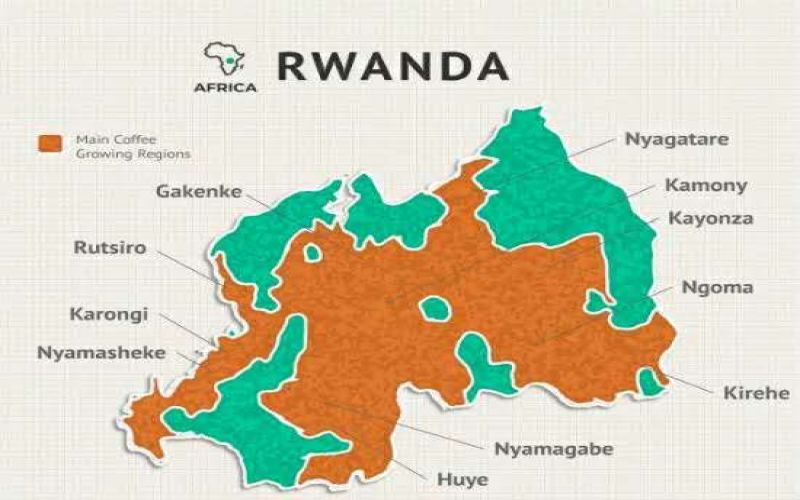
The Story Behind Rwanda's Coffee Industry: A Comprehensive Analysis of Red Bourbon Washed Processing and Pour-Over Flavor
Although Rwanda is landlocked in Africa, it possesses unique coffee-growing conditions such as high altitude, volcanic soil, and abundant sunshine, and is known as the "Land of a Thousand Hills." However, the country's coffee industry has endured the severe trials of genocide, colonial suppression, and global price collapses. Today, Rwandan coffee is mainly of the Bourbon variety, with more than 90% processed by the washed method, presenting fresh flavors of floral aromas, citrus, and berries. Front Street Coffee takes you on an in-depth look at the historical background, producing regions, variety characteristics, and pour-over parameters of Rwandan coffee, and recommends the Giseke coffee and Red Bourbon washed beans launched by Front Street, to explore how this land is rebuilding life and the economy through coffee. [more…]

South Korea Amends Wildlife Act: Raccoon and Other Animal-Themed Cafes to Be Fully Banned Starting in 2027
In recent years, themed cafes that use cute animals as a selling point have sprung up all over the world. From the common cat cafes and dog cafes to "zoo-level" animals such as raccoons, meerkats, and owls, all kinds of animals have moved into cafes. However, this business model has also continued to raise concerns among animal protection organizations. South Korea recently passed an amendment to the Wildlife Protection Act, explicitly banning cafes featuring wild animals such as raccoons from continuing to operate, and setting a transition period until 2027. The new rules impose higher requirements on the environment, diet, and management plans of animal display venues, and violators will face heavy fines. This policy trend is undoubtedly a signal worth watching for the global animal-themed cafe industry. [more…]
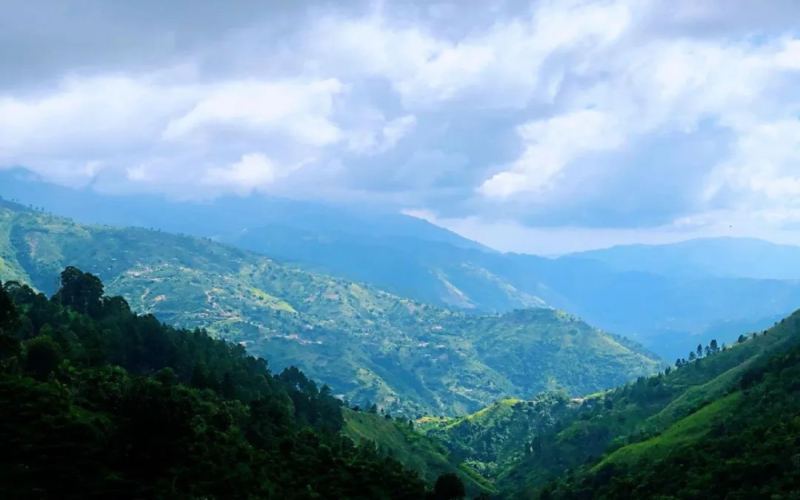
A Comprehensive Analysis of the Reasons for the High Price of Jamaican Blue Mountain Coffee and Its Flavor Characteristics
Blue Mountain coffee has long been regarded as synonymous with high-quality coffee, and its price has consistently remained high. It is produced in the Blue Mountains of eastern Jamaica, where fertile volcanic soil, abundant rainfall, and year-round mist provide ideal growing conditions for the Typica variety. The high cost of Blue Mountain coffee stems not only from its terroir but is also closely tied to historical hurricane disasters, long-term exclusive purchase contracts held by Japanese companies, and strict regulation by the Jamaican government. This article will outline the origins of Blue Mountain coffee, the demarcation of its production region, its grading standards, the tradition of wooden barrel packaging, and the cultivation background of Clifton Mount Estate, and will also introduce the flavor profile of Front Street Jamaica Blue Mountain No. 1 coffee, helping readers gain a comprehensive understanding of the unique status of this "Coffee Emperor." [more…]
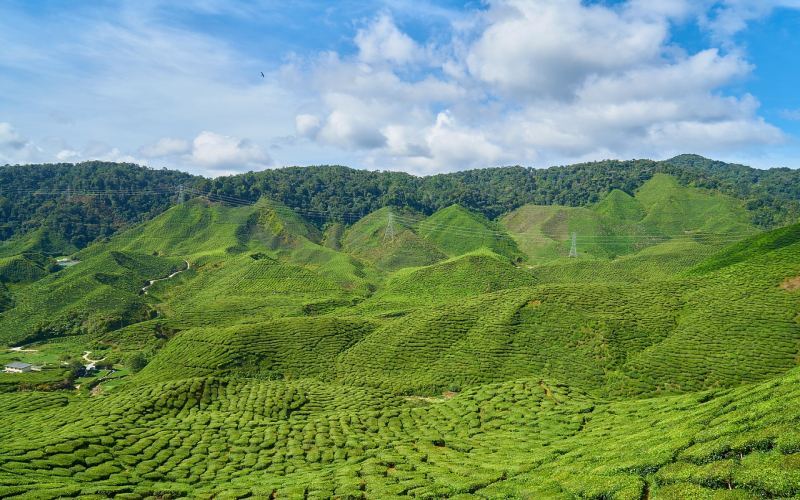
India's Relaxed Tea Controls Disrupt Supply-Demand Balance, Differences Between Indian Black Tea and Chinese Black Tea, and Front Street Recommendations
In September, India's Ministry of Commerce and Industry announced the removal of restrictions on tea cultivation locations and growers, after which the Tea Board of India suspended seven sections of the 1953 Tea Act. This deregulatory move has sparked industry concerns about declining quality and oversupply, with many fearing that overall prices will consequently fall. Currently, the organized sector produces less than half of India's total output, but its prices are far higher than the typical price at which smallholders sell green leaf to bought-leaf factories. Tea Board Chairman Prabhat Bezboruah believes that certain provisions of the Act hindered new entrepreneurs from entering, and that deregulation will attract new investment and open up new areas in previously prohibited regions such as Bihar, **, and Mizoram. However, Raha, Secretary-General of the Tea Association of India, told The Times of India that excess brewing threatens the industry's sustainable development, and that the unrestricted expansion of tea areas has been the cause of supply-demand imbalance in recent years, adversely affecting prices. [more…]
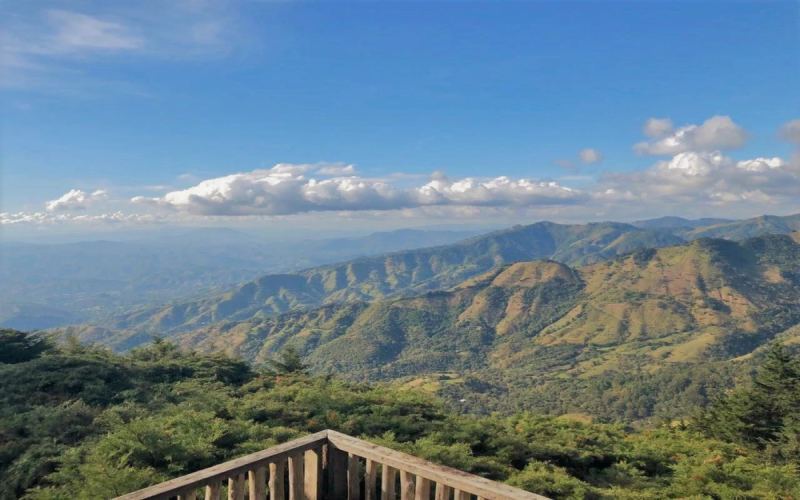
The Historical Context, Main Varieties, and Flavor Analysis of Pacamara in El Salvador's Coffee Regions
As the smallest country in Central America, El Salvador nonetheless boasts a rich diversity of coffee-producing regions and impressive specialty coffee performance. From its introduction in the 18th century to the present day, the coffee industry here has weathered the transition from the indigo economy, the impact of civil war, and the leaf rust crisis, while also giving rise to representative varieties such as Bourbon, Pacas, and Pacamara. Front Street Coffee will guide you through the rise and fall of El Salvador's coffee, exploring the distribution of its nine major producing regions and variety structure, and using a Pacamara washed bean from the Sonsonate Izalco region as an example to provide pour-over parameters and flavor descriptions, helping you gain a more systematic understanding of this country's coffee characteristics. [more…]